
- This event has passed.
Purim
God Saves His People from the Harm of the Enemy
Purim, celebrated annually on the 14th of Adar, stands as one of the most joyful and spiritually meaningful festivals in the Jewish calendar. It commemorates how God protected His people from destruction and delivered them from the schemes of their enemies more than 2,400 years ago.
In ancient Persia, Haman, the Prime Minister of the empire, devised a plan to annihilate the Jewish people. However, God intervened at the right time. He raised Queen Esther and Mordecai to stand courageously against evil. Through their obedience, prayer, and faith, God rescued His people and overturned the enemy’s plot.
Therefore, Purim reminds us that no authority, kingdom, or power on earth can overcome those whom God chooses to protect.
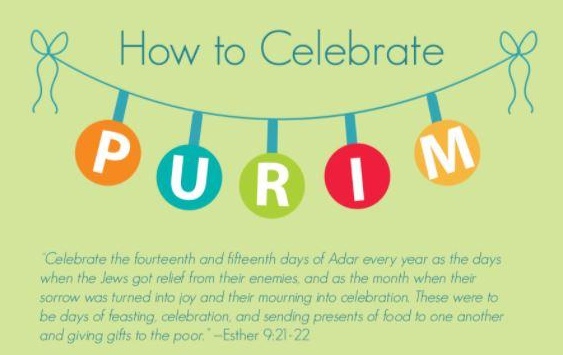
“To have them celebrate annually the fourteenth and fifteenth days of the month of Adar as the time when the Jews got relief from their enemies, and as the month when their sorrow was turned into joy and their mourning into a day of celebration.”
— Esther 9:21–22, Holy Bible
A Celebration of Divine Deliverance
The name Purim comes from the Persian word pur, meaning “lot.” Haman cast lots to determine the day he would destroy the Jewish people. However, God overturned the enemy’s plan and transformed a day of intended destruction into a testimony of divine deliverance and victory.
Therefore, Purim clearly proclaims that:
-
God sees the hidden plans of the enemy
-
God hears the cries of His people
-
God intervenes at the appointed time
-
God turns sorrow into joy
-
God saves His people from destruction
Moreover, the Jewish community—and all who worship “YHWH” the God of Abraham, Isaac and Jacob—celebrate Purim as a reminder that God faithfully protects His people from the harm of the enemy.
As Patriarchist Abrahamic Believers, we also celebrate Purim because it reveals how God consistently delivers His people throughout history.
Purim celebrations include:
-
Festive meals (Seudat Purim)
-
Sharing gifts of food with one another (Mishloach Manot)
-
Strengthening friendship and community by sending packages containing at least two ready-to-eat food items or beverages
-
Giving charity to the poor, Purim is about caring. Give food or money to at least two needy people during the daylight hours of Purim. In case you can’t find any needy people. At least, place two coins in a charity box. Charity is a mitzvah the whole year round, but on Purim we give to whoever asks.
-
Rejoicing in thanksgiving for God’s protection and deliverance
Consequently, Purim reminds every generation that God transforms fear into faith and mourning into celebration.
The festival takes place in the month of Adar, which usually falls between late February and March.
The Story of God’s Protection
The Book of Esther records the events of Purim during the reign of King Ahasuerus of the Persian Empire.
At that time, Haman secured a royal decree that authorized the annihilation of the Jewish people. Nevertheless, Queen Esther chose to risk her life by approaching the king without invitation. First, she called for a three-day fast among her people. Then, she placed her trust in God’s mercy and declared, “If I perish, I perish.”
Soon afterward, the king discovered Haman’s conspiracy. He ordered Haman’s execution on the very gallows that he had prepared for Mordecai. As a result, a new decree allowed the Jewish people to defend themselves from their enemies.
Thus, what the enemy planned as a day of destruction became a day of victory and celebration.
Purim continues to testify that God saves His people from the harm of the enemy, turning despair into hope, fear into faith, and mourning into joy for generations to come.