SLAVERY TO FREEDOM
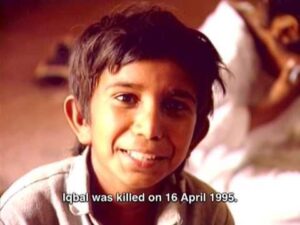
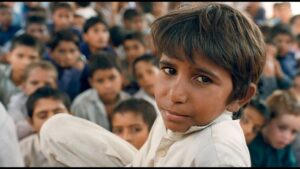
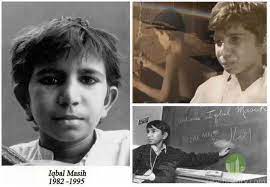
According to the UNICEF Pakistan In Pakistan 26 million children are out of school, and almost 12 million children are victims of child labor. Iqbal Masih a 12 years old Christian boy who became the reason to free 3000 children out of slavery and was shot and killed by muslim businessmen.
For decades, many marginalized communities in Pakistan have faced social and economic challenges. A large number of people live in underdeveloped areas where access to quality education, employment opportunities, and basic resources is limited. Many families struggle to support their children’s education, forcing young boys and girls to start working at an early age in factories, brick kilns, and workshops. In some cases, these children face harsh working conditions and exploitation. These circumstances contribute to cycles of poverty that continue from one generation to the next.
Iqbal Masih was born on 1 January 1983 in Muridke, a village outside of Lahore in Punjab, Pakistan, into a poor Catholic Christian family.
Iqbal's Labor
The loan was to be paid off by four-year-old Iqbal’s labor, and included undisclosed interest and expenses, Due to the illegality of selling children, the transaction was informal, allowing the loaner to add arbitrary expenses to the loan without oversight. Expenses were to include the cost of a year of training (during which Iqbal would not be paid), tools, food and fines for any mistakes Iqbal was to make. He was paid 1 rupee a day. Due to the high interest rate at which the loan was taken, it stood at 13,000 rupees prior to his escape.
Iqbal was chained to a loom and made to work as much as 14 hours a day. He was fed little and beaten, more than other children because of his attempts at escaping and refusal to work. These conditions stunted his growth; he had the height and weight of a 6-year-old when he was 12.
Escape and Activism
He escaped and attempted to report his employer Ashad to the police, but the police brought him back to the factory seeking a finder’s fee for returning escaped bonded labourers. Iqbal escaped a second time and attended the Bonded Labour Liberation Front (BLLF) school for former child slaves and quickly completed a four-year education in only two years. His desire was to free the slave children. Iqbal helped over 3,000 Pakistani children that were in bonded labour escape to freedom and made speeches about child labour all over the world. He was known by different organizations.
He expressed a desire to become a lawyer to better equip him to free bonded labourers, and he visited other countries, including Sweden and the United States, to share his story, encouraging others to join the fight to eradicate child slavery.
Awards & Death
Iqbal was fatally shot by the “carpet mafia,” a gang that killed slaves if they ran away from a carpet factory; while visiting relatives in Muridke on 16 April 1995, Easter Sunday. He was only 12 years old.
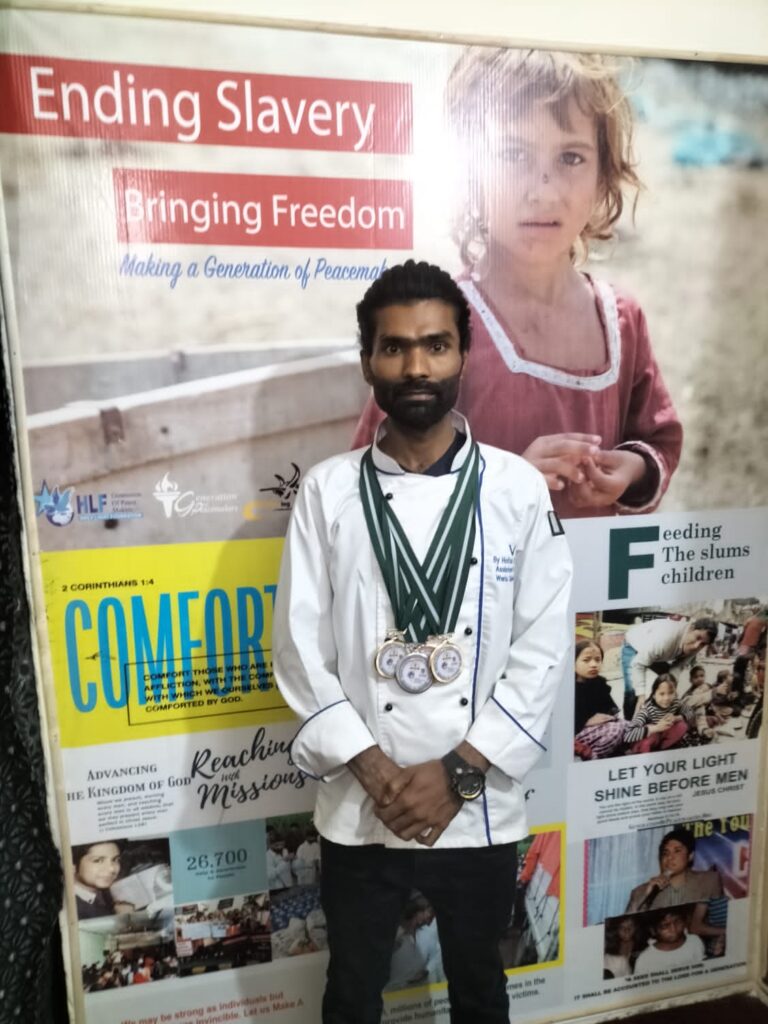
Holy Light Foundation (HLF) is keeping the mission to free the slave children, educate them and empower them to be who they are, so they can be the Light of JESUS and free other precious Lives.
Brick Kiln Child Labor To A Medical Student
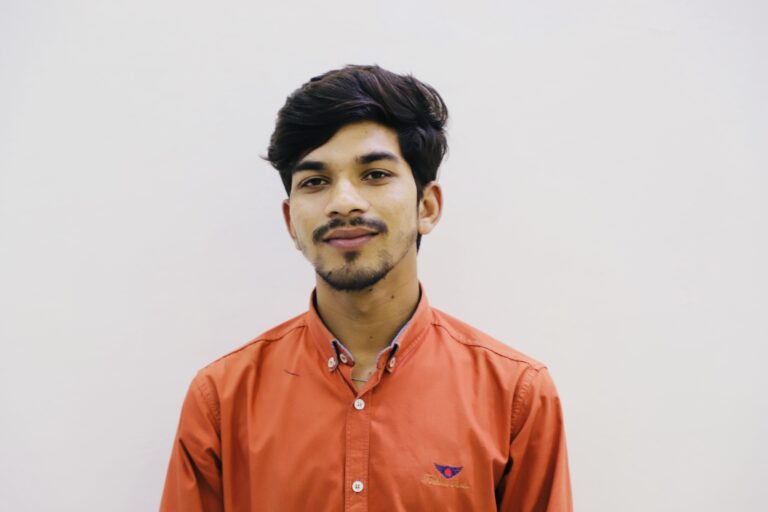
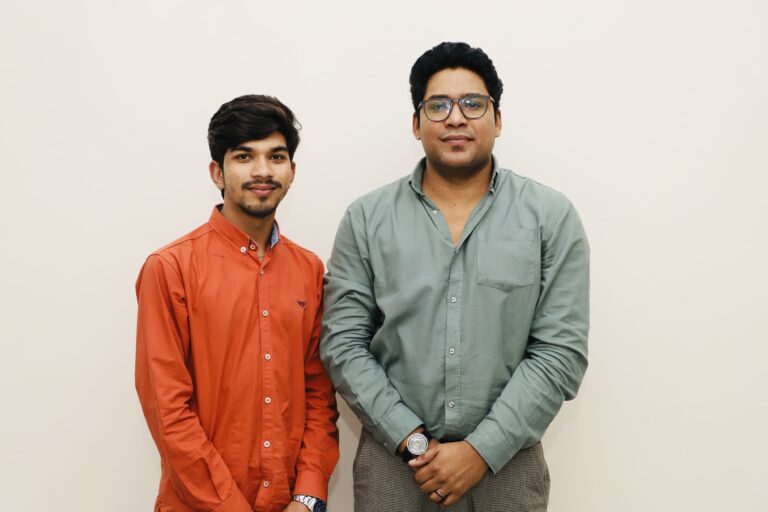
Ranjiash’s Grandparents and his Parents worked at Brik Kiln, his father, Aslam masih started working at Brick kiln when he was 5 years old. Ranjiash has 2 brothers and 2 sisters. His elder brother Faisal started to go to a shoe factory when he was 7 years old then how Ranjish could study.
But by the grace of God, Now this brick kiln worker, Ranjiash is not only an educated person but dreaming of being a doctor. He passed intermediate and secondary (High School) education in 2022 with an A+ grade. Holy Light Foundation is paying for his living and bills expenses, so he can work and support his family.
Holy Light Foundation wants to support him more so he can continue his medical studies. There are many like Ranjiash who are rescued and empowered. In Pakistan, minorities need sustainable development projects, Vocational Training, and Small business Funds, And education is the best way to empower minorities to be strong socially, politically, and economically.